The Strategic Role of the Budgeting and Forecasting Process in Business Growth
Growth does not happen by chance. It happens by design. Behind every successful and expanding business is a well-structured financial strategy that guides decision-making, controls risk and allocates resources effectively. At the heart of this strategy lies a strong budgeting and forecasting process.
In today’s competitive and unpredictable market environment, organizations can no longer rely on static annual budgets or outdated spreadsheets. They need dynamic planning systems that align financial goals with operational realities. When executed properly, the budgeting and forecasting process becomes a powerful driver of sustainable business growth.
In this blog, we explore how this process supports strategic expansion, improves financial control, and empowers leadership teams to make confident decisions.
Understanding the Budgeting and Forecasting Process
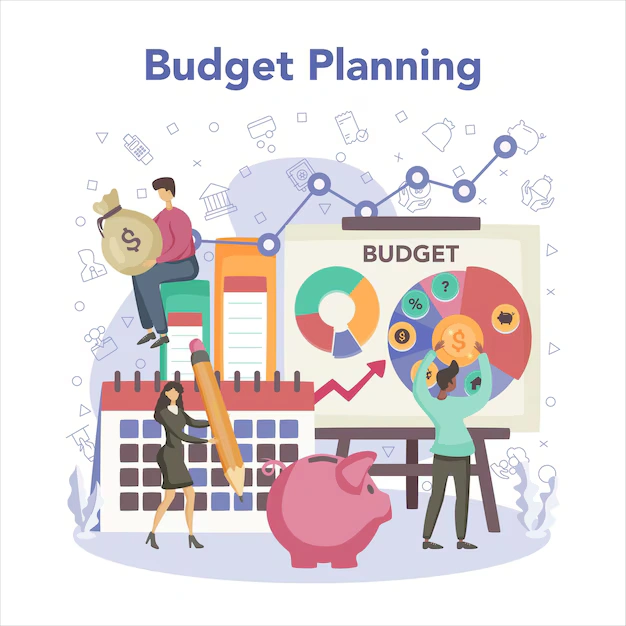
The budgeting and forecasting process is a structured approach used by organizations to plan future revenues, expenses, cash flows, and investments. While budgeting focuses on
setting financial targets, forecasting predicts future performance based on real-time data and market trends.
Together, these functions help organizations:
- Allocate resources effectively
- Anticipate financial challenges
- Align departmental goals
- Measure performance
- Plan for growth When budgeting and forecasting are integrated into business strategy, they become proactive tools rather than reactive exercises.
Why Budgeting and Forecasting Are Critical for Growth
1. Aligning Financial Goals with Business Strategy
A business cannot grow without clear direction. The budgeting and forecasting process ensures financial plans directly support strategic objectives such as:
- Market expansion
- Product launches
- Technology investments
- Talent acquisition
By aligning budgets with strategic priorities, organizations ensure resources are directed toward growth initiatives.
2. Improving Resource Allocation
Growth requires smart investment. Whether expanding operations or entering new markets, companies must decide where to allocate capital.
Through a structured budgeting and forecasting process, businesses can:
- Identify high-return initiatives
- Control unnecessary expenses
- Balance short-term needs with long-term growth
This disciplined allocation strengthens financial stability while supporting expansion.
3. Enhancing Financial Visibility
Limited visibility leads to poor decisions. A strong budgeting framework provides clear insights into financial performance across departments. Modern tools for budgeting and forecasting offer:
- Real-time dashboards
- Variance analysis
- Rolling forecasts
- Department-level tracking
With better visibility, leaders can detect risks early and adjust strategies quickly.
From Static Budgets to Dynamic Forecasting
Traditional annual budgets often become outdated within months. Markets change, costs fluctuate, and customer behavior evolves.
Dynamic forecasting allows organizations to:
- Update projections regularly
- Respond to market volatility
- Test multiple financial scenarios
Using advanced budget forecasting software, businesses can create rolling forecasts that continuously adapt to changing conditions. This agility is essential for sustainable growth.
The Role of Technology in Modern Financial Planning
Manual spreadsheets are time-consuming and prone to error. Today’s businesses rely on automated solutions to streamline the budgeting and forecasting process.
Benefits of Budget Forecasting Software
- Automated calculations reduce errors
- Real-time updates improve accuracy
- Centralized data eliminates silos
- Scenario modeling enhances planning
- Collaboration tools improve alignment
Technology transforms financial planning from a static reporting function into a strategic growth engine.
Driving Better Decision-Makin
Growth decisions involve risk. Expanding operations, hiring employees, or investing in innovation requires financial confidence.
A structured budgeting and forecasting process enables:
- Data-driven decision-making
- Risk-adjusted planning
- Performance benchmarking
- Predictive analysis
When leadership teams have access to accurate financial projections, they can make bold yet informed growth decisions.
Managing Risk While Scaling
Rapid growth without financial control can lead to cash flow problems and operational strain. Budgeting and forecasting create guardrails that prevent overextension.
Organizations can:
- Monitor cash flow trends
- Identify funding gaps
- Adjust spending plans
- Protect profit margins
This balance between ambition and control ensures sustainable expansion.
Supporting Cross-Department Collaboration
Growth is a company-wide effort. Finance, marketing, operations, and sales must work together.
Modern tools for budgeting and forecasting promote collaboration by:
- Allowing shared data access
- Standardizing reporting formats
- Streamlining approval workflows
When departments align around shared financial goals, growth initiatives become more cohesive and effective.
Enabling Scenario Planning and Strategic Agility
Uncertainty is inevitable. Economic shifts, regulatory changes, or industry disruptions can impact business performance.
The budgeting and forecasting process supports:
- Best-case and worst-case scenario modeling
- Revenue sensitivity analysis
- Cost-impact forecasting
With scenario planning, organizations can prepare for multiple outcomes and respond proactively.
Measuring Growth Performance
Growth must be measurable. Budgeting establishes financial benchmarks, while forecasting tracks progress.
Key performance indicators (KPIs) may include:
- Revenue growth rate
- Gross margin improvement
- Customer acquisition cost
- Operating expense ratios
By comparing forecasts to actual performance, businesses can refine strategies and maintain momentum.
Scalability and Long-Term Planning
As companies grow, financial complexity increases. Multi-entity operations, international expansion, and diversified product lines require advanced planning systems.
Modern budget forecasting software supports:
- Multi-currency planning
- Consolidated financial reporting
- Automated intercompany eliminations
- Real-time consolidation
Scalable planning infrastructure ensures financial systems grow alongside the organization.
Best Practices for an Effective Budgeting and Forecasting Process
To maximize strategic impact, businesses should:
- Integrate budgeting with overall strategy
- Use rolling forecasts instead of static budgets
- Leverage automation and analytics tools
- Encourage cross-functional collaboration
- Continuously review and refine assumptions
By following these best practices, organizations transform budgeting from a routine exercise into a strategic advantage.
Common Challenges and How to Overcome Them
Even with the right tools, organizations may face challenges such as:
- Data inconsistencies
- Resistance to change
- Lack of forecasting expertise
- Overly complex models
Solutions include: · Investing in reliable budget forecasting software
- Training finance and department leaders
- Simplifying financial models
- Establishing clear governance policies
With the right structure, these challenges become manageable.
The Competitive Advantage of Strategic Financial Planning
Companies that treat budgeting as a strategic function consistently outperform competitors. They:
- Respond faster to market changes
- Allocate capital more effectively
- Control costs without limiting growth
- Build investor confidence
A strong budgeting and forecasting process creates financial discipline while enabling innovation.
Conclusion: Turning Financial Planning into a Growth Engin
Business growth requires more than ambition—it requires structured planning, disciplined execution, and continuous adaptation. The budgeting and forecasting process provides the roadmap that guides organizations toward sustainable expansion.
By leveraging modern tools for budgeting and forecasting and adopting intelligent budget forecasting software, businesses gain visibility, agility, and control. They can anticipate risks, seize opportunities, and align financial planning with strategic objectives.
If your organization is ready to transform financial planning into a strategic growth engine, Century Software offers advanced budgeting and forecasting solutions designed to support accuracy, collaboration, and scalability. Partner with Century Software to strengthen your financial foundation and accelerate long-term business growth.
