Enterprise Data Storage: Key Features Every Organization Must Look For
In the digital-first era, data has become one of the most valuable assets for organizations of all sizes. From customer records and financial data to operational insights and intellectual property, enterprises generate and manage enormous volumes of data every day. As this data grows in scale and complexity, traditional storage methods fall short. This is where enterprise data storage plays a critical role.
Enterprise-grade storage systems are designed to handle large data volumes, support business continuity, and enable fast access to critical information. However, choosing the right solution requires a clear understanding of the essential features that align with your business goals. In this article, we explore what enterprise data storage is, why it matters, and the key features every organization must look for when evaluating enterprise data storage systems.
What Is Enterprise Data Storage?
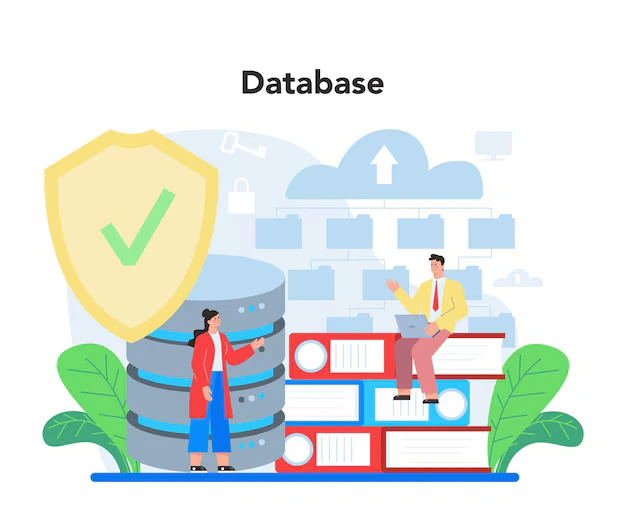
Enterprise data storage refers to large-scale storage infrastructure used by organizations to store, manage, protect, and retrieve data efficiently. Unlike consumer or small business storage solutions, enterprise storage is built to support high availability, scalability, performance, and security.
These systems store structured, semi-structured, and unstructured data across multiple environments, including on-premises data centers, cloud platforms, and hybrid setups. Modern enterprises rely on robust storage solutions to support business-critical applications, analytics, compliance requirements, and digital transformation initiatives.
Why Enterprise Data Storage Is Critical for Modern Organizations
As enterprises become increasingly data-driven, the need for reliable and scalable storage infrastructure has never been greater. Here’s why enterprise storage is essential:
1. Exponential Data Growth
Organizations collect data from multiple sources such as ERP systems, IoT devices, customer interactions, and analytics platforms. Enterprise storage ensures this data can be stored and accessed without performance issues.
2. Business Continuity
Downtime can be costly. Enterprise storage systems provide redundancy, failover, and disaster recovery capabilities to ensure uninterrupted business operations.
3. Faster Decision-Making
Quick access to accurate data allows leadership teams to make informed decisions, optimize operations, and respond to market changes in real time.
4. Regulatory Compliance
Industries such as healthcare, finance, and retail must comply with strict data regulations. Enterprise storage supports compliance through secure data retention, auditing, and governance.
Key Features to Look for in Enterprise Data Storage
When evaluating enterprise data storage solutions, organizations must focus on features that ensure reliability, performance, and long-term scalability. Below are the most important features to consider.
1. Scalability and Flexibility
One of the most critical features of enterprise data storage systems is scalability. As your organization grows, your data storage needs will increase rapidly.
Look for solutions that:
- Scale seamlessly without disrupting operations
- Support both vertical and horizontal scaling
- Adapt to changing workloads and data types
Flexible storage allows enterprises to expand capacity as needed, avoiding frequent hardware upgrades and costly migrations.
2. High Performance and Speed
Enterprise applications demand fast data access to ensure productivity and efficiency. Storage systems must support high-speed read and write operations, especially for data-intensive workloads such as analytics, databases, and AI applications.
Key performance features include:
- Low latency
- High IOPS (Input/Output Operations Per Second)
- Support for SSD and NVMe technologies
High-performance enterprise data storage directly impacts application responsiveness and user experience.
3. Data Security and Encryption
Security is non-negotiable when it comes to enterprise data. Sensitive information must be protected from cyber threats, unauthorized access, and data breaches.
Essential security features include:
- Data encryption at rest and in transit
- Role-based access controls
- Multi-factor authentication
- Secure key management
Enterprise-grade storage systems are designed with built-in security measures that align with industry standards and regulations.
4. Data Backup and Disaster Recovery
Data loss can occur due to cyberattacks, hardware failure, or human error. A reliable enterprise storage solution must include comprehensive backup and disaster recovery capabilities.
Look for systems that offer:
- Automated backups
- Snapshot technology
- Rapid data recovery
- Geographic replication
These features ensure that your organization can recover data quickly and minimize downtime during unexpected events.
5. High Availability and Reliability
Enterprise environments require storage systems that operate continuously with minimal downtime. High availability ensures that data remains accessible even during system failures.
Key reliability features include:
- Redundant components
- Failover mechanisms
- Load balancing
- Fault tolerance
High availability is essential for mission-critical applications where downtime can result in financial loss or reputational damage.
6. Support for Hybrid and Multi-Cloud Environments
Modern enterprises often operate across on-premises, cloud, and hybrid environments. The best enterprise data storage solutions support seamless integration across these infrastructures.
Hybrid storage capabilities allow organizations to:
- Store sensitive data on-premises
- Use cloud storage for scalability and cost efficiency
- Move data between environments without complexity
This flexibility enables enterprises to optimize costs while maintaining performance and security.
7. Data Management and Governance
Managing large volumes of enterprise data requires intelligent data management capabilities. Advanced storage systems provide tools to organize, monitor, and govern data effectively.
Key data management features include:
- Data classification and tiering
- Lifecycle management
- Usage monitoring and reporting
- Policy-based data governance
These capabilities help organizations control storage costs and ensure compliance with data retention policies.
8. Automation and Intelligent Storage
Automation reduces manual effort and minimizes errors in storage management. Modern enterprise data storage systems leverage AI and machine learning to optimize performance and resource allocation.
Automation features may include:
- Automated tiering
- Predictive maintenance
- Smart capacity planning
- Self-healing storage systems
Intelligent storage improves efficiency and reduces the operational burden on IT teams.
9. Cost Efficiency and Total Cost of Ownership (TCO)
While enterprise storage is a significant investment, organizations must evaluate the long-term costs associated with deployment, maintenance, and scaling.
Consider solutions that:
- Offer flexible pricing models
- Reduce hardware dependency
- Optimize storage utilization
- Lower energy and maintenance costs
A cost-effective solution balances performance, reliability, and affordability over time.
Types of Enterprise Data Storage Systems
Understanding different storage architectures helps organizations select the right solution:
- Block Storage: Ideal for databases and transactional applications
- File Storage: Suitable for shared files and collaboration
- Object Storage: Best for unstructured data, backups, and cloud environments
Many enterprises use a combination of these systems to meet diverse business needs.
How to Choose the Right Enterprise Data Storage Solution
To select the best solution for your organization, consider the following factors:
- Business Requirements: Identify your performance, security, and compliance needs
- Data Volume and Growth Rate: Estimate current and future storage requirements
- Workload Types: Match storage systems to application workloads
- Integration Capabilities: Ensure compatibility with existing infrastructure
- Vendor Support: Choose a provider with strong technical support and reliability
A well-planned approach ensures long-term success and scalability.
Conclusion
In an increasingly digital world, enterprise data storage is no longer just an IT investment—it is a strategic foundation for long-term success. By choosing secure, scalable, and high-performing enterprise data storage solutions, organizations can protect critical data, support business continuity, and unlock greater operational efficiency. Modern enterprise data storage systems empower enterprises to adapt quickly to growing data demands while maintaining performance and compliance. To build a future-ready storage strategy that aligns with your business goals, partnering with an experienced technology provider like Century Software can help you implement reliable, scalable, and intelligent enterprise data storage solutions tailored to your organization’s evolving needs.
In an increasingly digital world, enterprise data storage is not just an IT investment—it’s a strategic foundation for long-term success.
